



In the realm of business technology, the server is the heart of a company, performing all functions related to data storage, communications, and business-critical applications, especially in the expansive digital landscape we are in today. However, as with all other technologies, old and out-of-date hardware puts the business, the infrastructure, and the company absolutely at risk. Here is a rundown of all the reasons as to why there is a need for a server replacement and why putting off the replacement can prove to be extremely costly in the long run.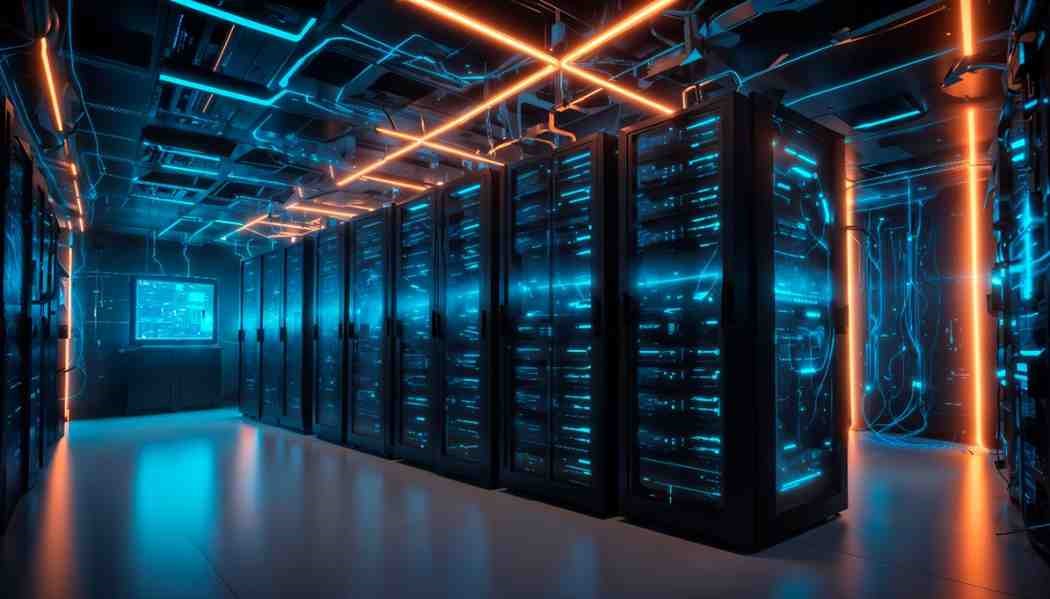
- Performance Declines Over Time
It is a well-known fact that efficiency is a gradual process and improves over time, especially in the case of well-maintained infrastructure. The same, however, cannot be said about old servers, as the business environment, especially in today’s world, is extremely dynamic in nature. Not only do old servers have to work with new software, data, and applications as well, but with the ever-increasing data, trying to keep up with all of this is only going to be nothing short of disastrous. The upgrading of a server ensures that business operations all around the organization are running efficiently, and the new resource-intensive applications are performed to the best of the server’s capabilities. - Security Risks Increase
Awaiting that last and final update can be extremely cruel for the end users and especially hardcore gamers, as we all know and are familiar with the frustration of not being able to work with apps like Jira. Not only are they becoming extremely easy to hack, but they are also not able to counter malware, ransomware, and a lot of other cyber threats. In such situations, getting a new server with all the required specs and configuration, especially with the latest security protocols, not only prevents advanced threats but also protects business data, while at the same time ensuring full compliance with all the industry’s norms. - Rising Maintenance Costs
An aging server can be very costly to maintain. Hardware malfunctions, regular maintenance, and the need for dedicated technical staff can quickly start to burn through your IT budget. In many situations, purchasing a new server will streamline the process by reducing the server’s downtime and lowering maintenance expenses in the long run. - Incompatibility with Modern Software
Outdated servers often become a business’s pickle since they cannot be updated with the latest software, tools, or systems. Having to put a company’s technological advancement on hold puts them on the wrong end of competition. Purchasing a new server will eliminate the chances of being left behind in the technology race. - Limited Scalability
IT infrastructure always needs to be adjusted and edited for growing businesses. While evolving and adding new features, older servers can’t adapt to increasing workloads, new applications, or users. Upgrading manually to modern systems will allow businesses to adapt efficiently to the growth and dynamic demands of the business.
Final Thoughts
Upgrading the business server is often viewed as simply a hardware replacement, but the advantages include protecting data, enhancing data workflows, and many more. Preventing and restricting business operations will increase the need for replacement. Upgrading the server staves off further complications in the long run.
For reliable Server Rental in Dubai, trust VRS Technologies LLC — visit www.vrscomputers.com or call +971-4-3866012 to get started today.



 IT Infrastructure


